Why India’s Push for E85 Flex-Fuel Vehicles Doesn’t Yet Make Financial Sense
An Editorial Deep-Dive into the Economics of High-Blend Biofuels, Real-World Running Costs, and the Policy Gaps of June 2026
The first half of 2026 has shown that India is hell-bound on rewriting its energy ledger. Caught in the crossfire of volatile West Asian geopolitics—which triggered a sudden Rs 7.50 per litre hike in fuel prices over just ten days in May 2026—New Delhi has aggressively accelerated its biofuel roadmap.
Earlier this month, on June 5, 2026, Union Minister for Petroleum and Natural Gas Hardeep Singh Puri inaugurated India’s first commercial E85 dispensing station at the Indian Oil outlet on Pusa Road, New Delhi. This milestone was quickly followed on June 10, 2026, by a landmark policy exempting petrol blended with 22% to 30% ethanol from central excise duty.
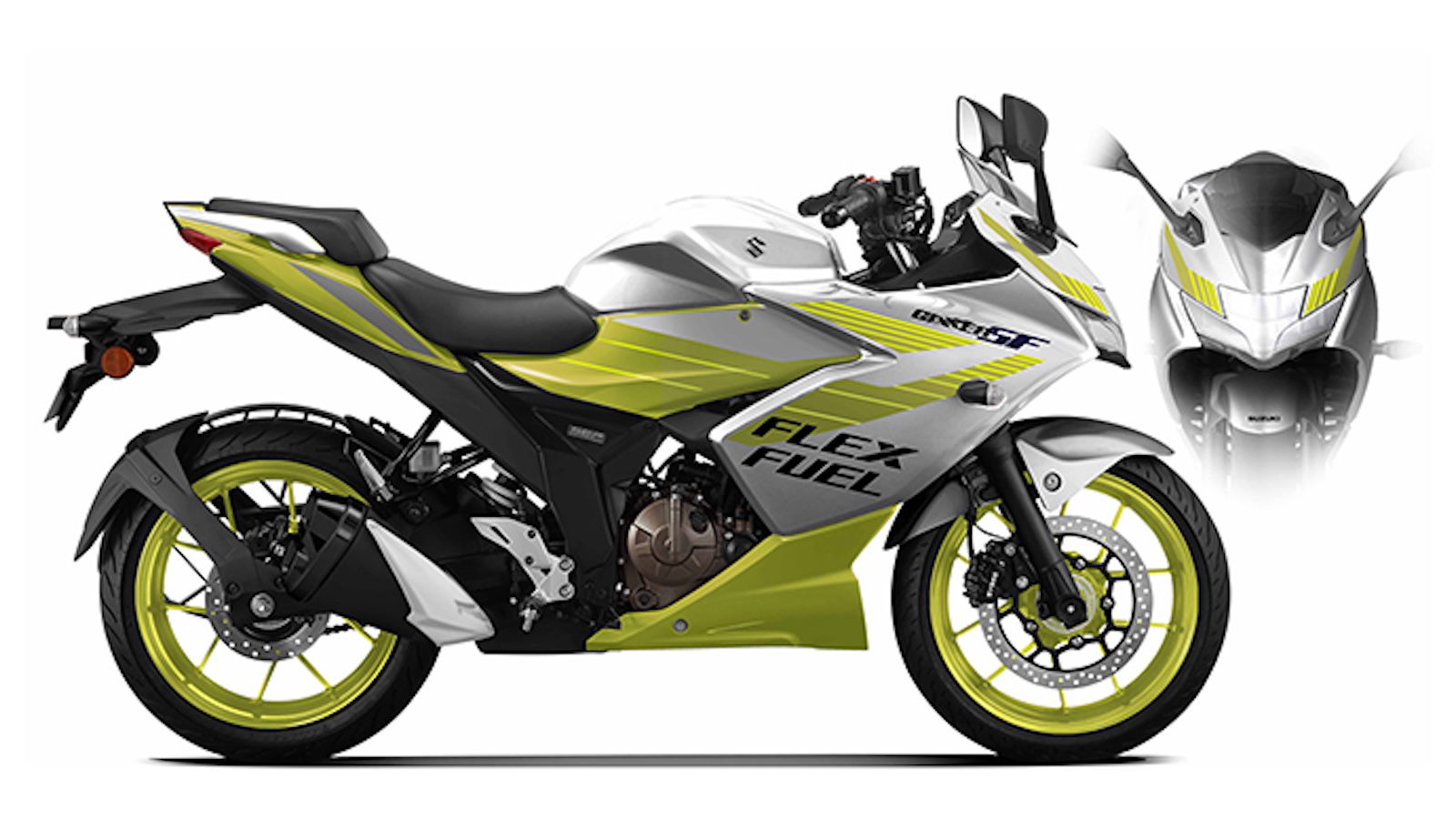
Yet, as the first wave of Flex-Fuel Vehicles (FFVs) like the Suzuki Gixxer SF 250 FFV hit the streets, a glaring question emerges for the Indian consumer: Does running E85 actually make financial sense, or are motorists paying a premium to go green?
The Science of the Blend: E20 vs. E85
To understand why these economic gears grind, we have to look closely at the chemical makeup of what we are pumping.
- E20 Fuel: The current nationwide standard, consisting of 20% ethanol and 80% fossil petrol.
- E85 Fuel: A high-concentration blend flipping the script with 85% ethanol and only 15% petrol.
On paper, E85 looks brilliant. It slashes tailpipe carbon emissions and takes a direct swipe at India’s staggering 88.5% crude oil import dependency. Plus, ethanol boasts a natural octane rating of over 100, translating to cooler engine temperatures in bumper-to-bumper city traffic and a crisp, punchy throttle response.
But ethanol’s physical quirks throw a massive spanner into the engineering works:
- Hygroscopic & Corrosive Nature: Ethanol greedily sucks moisture right out of the air. This moisture trap rusts standard metal fuel tanks and degrades conventional rubber fuel lines over time.
- Low Energy Density: Ethanol simply doesn’t pack the same punch as pure petrol. While E20 averages an energy density of 30.5 MJ/l, E85 drops sharply to between 23.5 and 24 MJ/l—a 27% energy deficit per unit volume.
- The Cold-Start Dilemma: High ethanol blends are notoriously stubborn when cold, refusing to vaporise at lower temperatures and leading to frustrating ignition struggles. For a commuter facing North India’s winter mornings, this is a major headache. While the Suzuki Gixxer SF 250 FFV utilises optimised ECU mapping to mitigate this, it lacks a dedicated auxiliary heating system, leaving real-world cold-start reliability an open question.
To cope with these characteristics, manufacturers must re-engineer engines with larger fuel injectors, ethanol-compatible rubber seals, and specialised ECU calibrations. This engineering overhaul inevitably drives up the vehicle’s retail price.
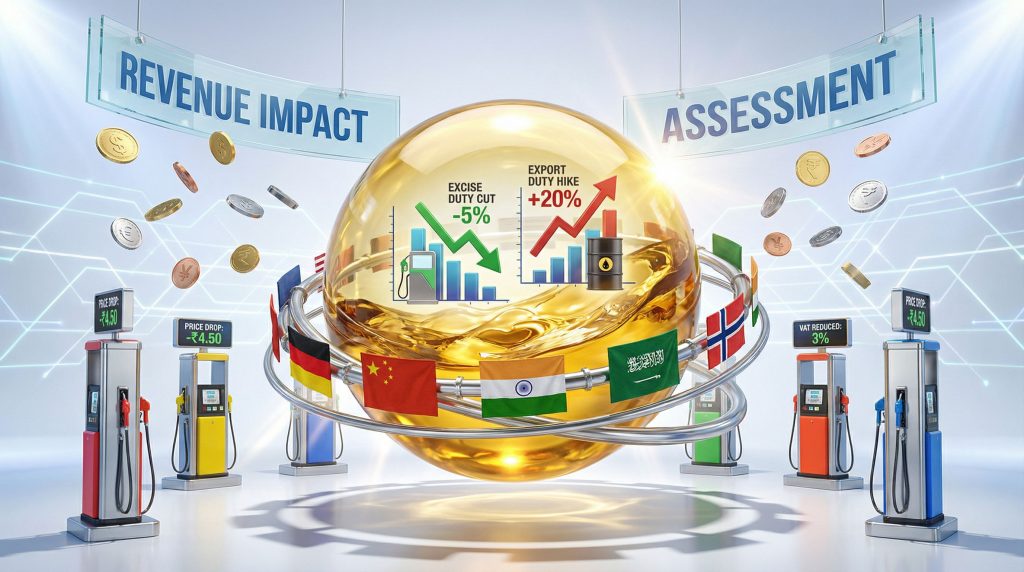
The Macro Paradox: Food vs. Fuel
Zoom out from the exhaust pipe, and India’s push toward E85 exposes a deeper systemic tension: the “Food vs. Fuel” debate. In mid-2026, with global food supply chains still highly sensitive to climate disruptions and geopolitical shocks, India’s aggressive diversion of agricultural feedstock is drawing intense scrutiny.
To feed its soaring ethanol appetite, the government has increasingly relied on diverting sugar surplus and starch-heavy food grains, including maize and damaged food grains from the Food Corporation of India (FCI). Critics argue that using fertile land and scarce water resources to fuel passenger vehicles, rather than securing the domestic food supply, represents a fundamental policy contradiction. This resource diversion places a silent, upward pressure on food inflation—a hidden tax that every Indian citizen pays, regardless of whether they own an FFV.
Head-to-Head: E20 vs. E85 Running Cost Comparison
Using real-world performance data gathered from testing the newly launched Suzuki Gixxer SF 250 Flex-Fuel variant in New Delhi, we compared the true cost of operating on E20 versus E85.
| Cost & Performance Metrics | E20 Fuel | E85 Fuel | Real-World Difference |
|---|---|---|---|
| Fuel Price per Litre (Delhi) | Rs 102.12 | Rs 82.12 | ↓ Rs 20.00 (19.58% Cheaper) |
| Suzuki Gixxer SF 250 Mileage | 38.1 kpl | 28.8 kpl | ↓ 9.3 kpl (24.41% Drop) |
| Running Cost per Kilometer | Rs 2.68 | Rs 2.85 | ↑ Rs 0.17 (More Expensive) |
| Running Cost per 10,000 km | Rs 26,803 | Rs 28,514 | ↑ Rs 1,711 (More Expensive) |
| Upfront Vehicle Cost (Ex-Showroom) | Rs 1,89,768 (Standard) | Rs 1,98,457 (FFV) | ↑ Rs 8,689 (FFV Premium) |
Analyzing the “Green Premium” and Hidden Costs
The hard numbers reveal an uncomfortable truth for early adopters. While E85 is priced 19.58% cheaper at the pump due to lower production costs and tax structures, the Suzuki Gixxer SF 250 FFV suffers a devastating 24.41% drop in fuel efficiency when running on the high-ethanol blend.
Key Insight: Because the engine must burn more fuel to cover the same distance, the lower price of E85 is entirely negated by its poor mileage. Running on E85 actually costs Rs 0.17 more per kilometer than running on E20.
Over a standard riding cycle of 10,000 kilometers, an E85 user will spend Rs 1,711 more on fuel than an E20 user. When you factor in the Rs 8,689 premium paid upfront to purchase the specialised Flex-Fuel vehicle, the financial case for E85 completely falls apart for the individual consumer.
And this math assumes perfect, hassle-free access, which is far from reality.
- Infrastructure Scarcity and Range Anxiety: As of mid-June 2026, there are only five functional E85 dispensing stations in the entire National Capital Region (NCR). For a Gixxer owner, the “financial sense” of E85 is dictated by the geography of scarcity. If a rider has to detour even five kilometres off their daily commute to find an E85 pump, the fuel wasted during that detour completely obliterates any theoretical savings.
- The Resale Value Penalty: In India’s highly value-conscious used-vehicle market, resale value is a critical financial metric. Because the E85 refuelling network remains highly localised and uncertain, a specialised FFV is currently viewed as a high-risk asset. Early adopters must brace for steeper depreciation curves and a highly illiquid secondary market.
The Policy Gap: Lessons from the Global Market
While India’s June 10th excise waiver was a step in the right direction, it remains a half-measure. We are currently witnessing a classic “chicken-and-egg” cycle: manufacturers are hesitant to scale production without robust consumer demand, and consumers are avoiding FFVs because the math—quite simply—doesn’t add up at the pump.
India’s current policy framework is still in its infancy compared to global benchmarks. On June 1, 2026, Iowa Governor Kim Reynolds signed legislation exempting ethanol blends above 85% used in agricultural machinery from state excise taxes to establish price parity with diesel.
For India to make E85 viable for the masses, the government must look beyond intermediate tax tweaks:
- Steeper Subsidies Required: The retail price gap between E20 and E85 needs to widen to at least 30% to offset the volumetric efficiency loss of ethanol.
- FFV Tax Incentives: High manufacturing costs for FFVs could be mitigated by lowering GST rates on flex-fuel-compatible vehicles, erasing the upfront purchase premium.
- Maintenance Overhead: Long-term ownership of FFVs will require more frequent fuel filter inspections and injector cleanings, meaning the consumer’s maintenance budget will also take a hit.
The Green Paradox
The core of the paradox is this: India has the engineering chops and the political will to move away from fossil fuels, but as of June 2026, the burden of this transition is being placed squarely on the wallet of the common rider. Until the “Green Premium” is replaced by a genuine “Biofuel Bonus” at the pump and the showroom, E85 will remain an expensive luxury for the eco-conscious, rather than a practical solution for the masses.
Summary
- Efficiency Deficit: E85’s 19.58% discount is erased by a 24.41% drop in mileage, increasing running costs.
- Hidden Costs: Infrastructure scarcity, poor cold-starts, and weak resale value compound the Rs 8,689 vehicle premium.
- Policy Action: Mass adoption requires steeper fuel subsidies and direct GST cuts on flex-fuel vehicles.