The Solar Split: How Clean Energy is Leaving Pakistan’s Poor Behind
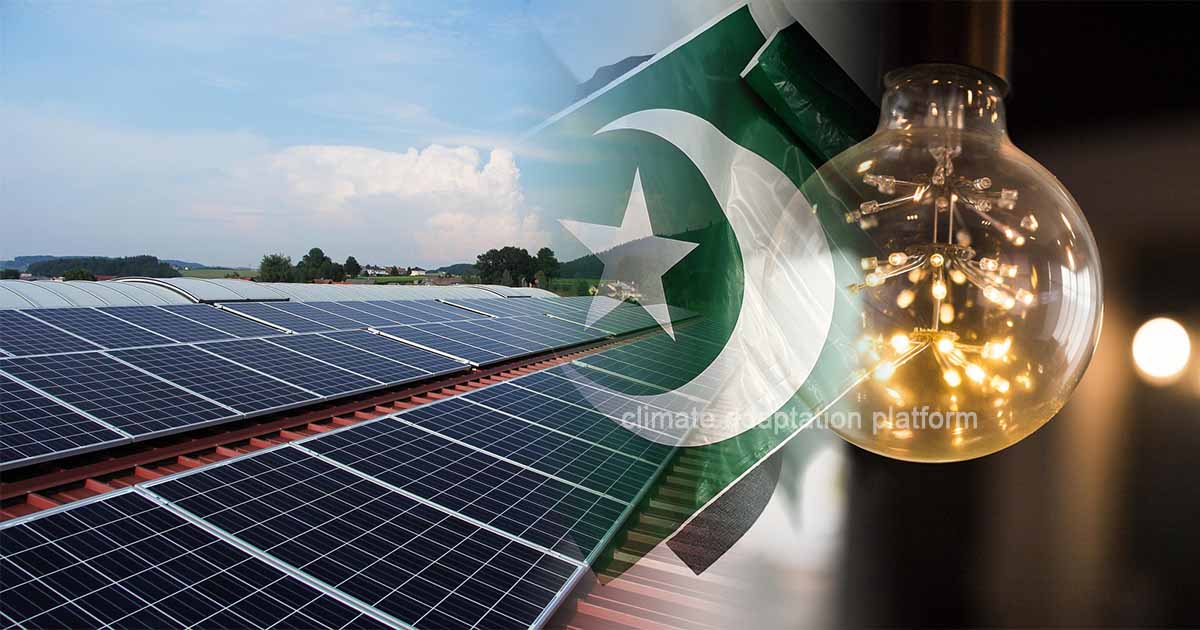
Global energy pundits and climate wonks are currently infatuated with Pakistan’s solar trajectory, branding it a masterclass in decentralized resilience. On paper, the optics are stunning: a nation sidestepping a $12 billion fossil fuel landmine in a single year while insulating itself from the volatile whims of the Strait of Hormuz.
But look beneath the surface, and the “boom” reveals itself as a frantic, unmanaged exodus rather than a calculated policy triumph. This transition is resting on a shaky foundation of supply chain fragility and a widening chasm of energy injustice. Behind those shimmering silicon arrays lies a “Distributed Divide”—a phenomenon threatening to bankrupt the national utility while forcing the country’s most vulnerable citizens to subsidize the energy independence of the wealthy.
The Import Trap: A Fragile Foundation
Pakistan’s solar fever—marked by the arrival of more than 5GW of panels from China in the first half of 2024 alone—is almost entirely a hostage to foreign technology. Despite the government’s lofty talk of “local manufacturing,” the domestic industry is little more than a rudimentary assembly line. Current data reveals that import penetration exceeds 85%, a figure that spikes even higher in the rooftop and agricultural sectors.
The catalysts for this surge aren’t visionary; they are born of desperation: chronic blackouts, a staggering $9 billion circular debt chokehold, and IMF-enforced tariff hikes that have sent electricity prices screaming upward by 150% in just three years. In its rush to escape high costs, Pakistan has effectively traded one form of vassalage for another.
- Critical Dependencies: Local assembly plants are hollow shells, lacking the technical guts to produce solar cells, EVA sheets, or backsheets. These components, which hold the lion’s share of a panel’s value, are sourced almost exclusively from China.
- Supply Chain Risk: With a market valuation of $1.3 billion, even a minor hiccup in global shipping or a diplomatic cold front could paralyze the transition. Pakistan lacks the “silicon-to-wafer” industrial architecture required for genuine sovereignty.
- Policy Gaps: A roadmap to localize the raw material supply chain is nowhere to be found. The obstacles—massive capital requirements, a dearth of specialized engineers, and a lack of industrial scale—remain unaddressed by current state policy.
Takeaway: Pakistan has successfully de-risked its energy supply from Middle Eastern oil volatility, but it has simultaneously tethered its energy future to a singular, imported technology supply chain that it does not control.

The “Death Spiral”: Equity and the Cost of the Grid
Beyond the external risks, the internal economics of this expansion are triggering a “Death Spiral.” Research highlights a cannibalistic cycle: as wealthy consumers defect from the grid, the financial burden on those left behind grows heavier.
In Pakistan, the “Solar Elites”—the top 10% of earners who can swing the $3,000–$7,000 upfront cost for a 5kW-10kW system—are the primary beneficiaries of generous net-metering rules. These policies provide a 1:1 unit credit, allowing the affluent to wipe out expensive daytime bills. However, the grid’s fixed costs, including the controversial “capacity payments” to independent power producers (IPPs), don’t just evaporate. They are simply reallocated to the “Grid Captives.”
During the FY2023-24 period, grid-reliant consumers—the urban working class and rural laborers—effectively shouldered over Rs 200 billion in shifted costs.
Table 1: The Economic Impact of Solar Migration on Grid Consumers
| Metric | 5% Reduction in Grid Demand | 10% Reduction in Grid Demand |
|---|---|---|
| Annual Cost Shift to Non-Solar Users | Rs 131 Billion | Rs 261 Billion |
| Tariff Impact (Approx.) | + Rs 1.0/kWh | + Rs 2.0/kWh |
| Grid Stability Risk | Low-Moderate | High (Voltage Instability) |
| Primary Burden Group | Low-income urban/rural | Low-income urban/rural |
The Reliability Gap: A Two-Tiered Energy Society
The solar transition is carving Pakistan into a bifurcated society. On one side stand the “Solar Elites,” enjoying 24/7 reliability and a payback period of under two years. On the other are the “Grid Captives,” staring down frequent load-shedding and bills they can no longer afford.
- The Subsidy Paradox: In a strange twist of logic, subsidies are following the wealthy. Net-metering allows affluent households to sell power back at PKR 27-35/kWh, while the very grid they use as a “battery” for nighttime stability withers under unrecovered costs.
- Operational Failures: A NEPRA (National Electric Power Regulatory Authority) audit of 157 solar projects found that only four actually met safety and performance benchmarks. Most systems lack “smart” inverters, creating frequency swings and reverse power flows that threaten to blow aging transformers.
- The Hidden Energy Economy: A massive chunk of Pakistan’s solar capacity is invisible and undocumented. This shadow economy obscures the true scale of demand, making it impossible for the National Transmission & Despatch Company (NTDC) to forecast loads, further destabilizing the system.
Deep-Dive Insight: The “hidden energy economy” masks the true scale of demand. Without an integrated national policy, the grid faces a future where it is used merely as a “battery” for the rich, while the poor pay for its upkeep.
Bridging the Divide: The Path Forward
If Pakistan wants to avoid a total utility collapse, it must pivot from “individual survival” to “systemic equity.” This requires a tightrope walk between incentivizing green energy and keeping the state’s financial heart beating.
- Grid Modernization & Storage: There is an urgent need for Advanced Metering Infrastructure (AMI) and grid-scale batteries to tackle the “Duck Curve”—that awkward gap between peak solar output and the evening surge in demand.
- Inclusive Financing: The talk of “half-price solar for the poor” needs to become a reality. Micro-finance for 1kW systems could finally let low-income families benefit from the sun’s deflationary power.
- Net Billing Reforms: The country must move from 1:1 net-metering to a Net Billing model. This would credit solar exports at a rate that includes a “grid service fee,” ensuring solar owners pay their fair share for the wires they rely on.
- Localizing the Value Chain: To escape the “Import Trap,” the state must provide tax holidays for producing solar glass and aluminum frames, eventually moving toward cell manufacturing to keep more of that $1.3 billion value within the country.
Summary of Findings
- “Pakistan’s solar boom provides critical energy security but masks a growing socio-economic divide, shifting Rs 200 billion in costs to the poor.”
- “With 85% of technology imported, the transition remains vulnerable to global supply chain shocks and diplomatic volatility.”
- “True sustainability requires grid modernization and net-billing reforms to ensure the national utility does not collapse under the weight of the affluent’s autonomy.”