The AI Power Paradox: Big Tech’s New Utility Empire Powered by Natural Gas
Generative AI has graduated from a playground of code into a brutal, physical brawl over copper and kilowatts. The silicon dreams of the “Big Five”—Google, Microsoft, Amazon, Meta, and Apple—have hit a very tangible wall: the calcified remains of the public electrical grid. As they race to scale their Large Language Models (LLMs), these titans are discovering that software is no longer the bottleneck. The bottleneck is the electron.
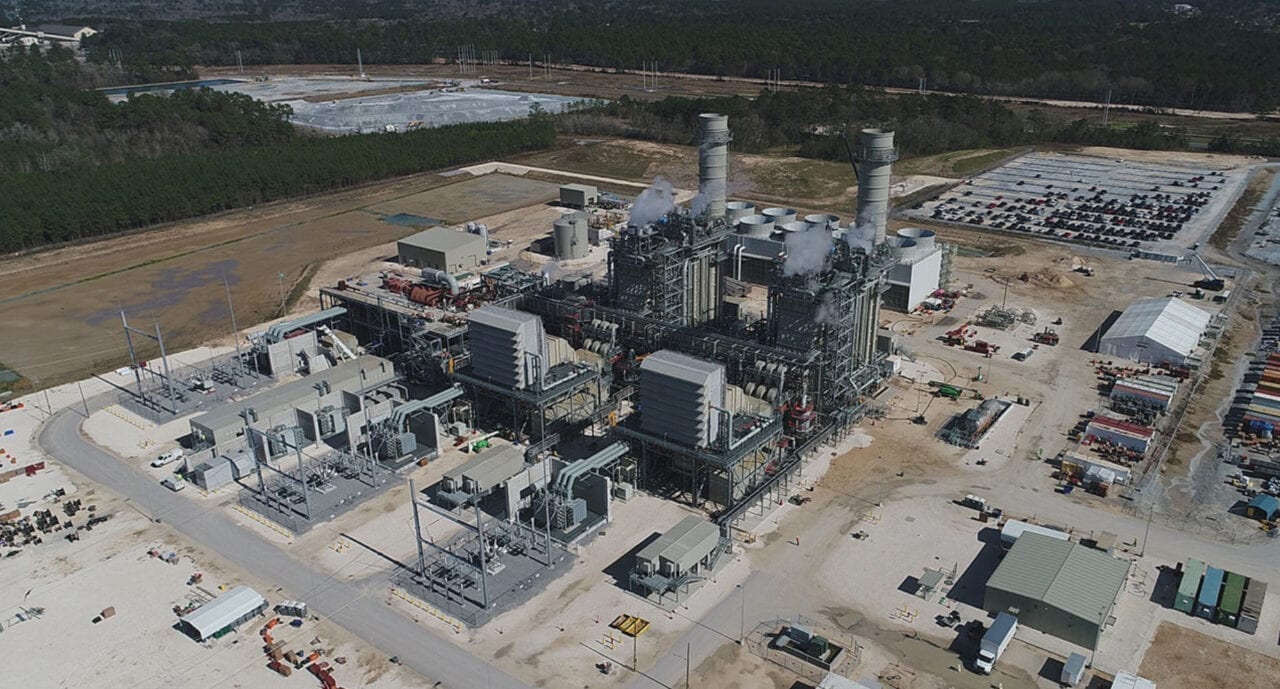
To sidestep this sclerotic system, Silicon Valley is undergoing a radical metamorphosis. Tech giants are shedding their roles as mere consumers and reinventing themselves as independent power producers (IPPs). By erecting private, “behind-the-meter” power plants, these companies are effectively divorcing themselves from regional utilities to keep their data centers humming 24/7. It is a quest for energy sovereignty that has forced a desperate, pragmatic, and deeply controversial embrace of natural gas.
The Grid Bottleneck: A Hard Ceiling on Intelligence
The sheer hunger of these machines is staggering. Proprietary research from Morgan Stanley suggests that generative AI’s power appetite will balloon by 70% annually through 2030. By that point, data centers are expected to devour 25% of all new domestic energy demand in the United States.
The problem isn’t just a lack of power; it’s a trifecta of systemic failure. First, interconnection queues have turned into a regulatory purgatory; in the U.S. alone, over 2,000 gigawatts of generation and storage are sitting in a multi-year waiting room for approval. Second, our physical transmission infrastructure—the high-voltage arteries meant to carry power from the plains to the cities—is aging and inadequate. Finally, a global transformer shortage has pushed lead times for vital hardware to three years or more. For an industry that measures progress in weeks, waiting a decade for a grid connection is a death sentence.
To see how the titans are diverging, look at where they are parking their billions.
Comparative Strategies: Big Tech’s Energy Pivot
| Company | Key Energy Strategy | Recent Milestone | Sustainability Conflict |
|---|---|---|---|
| Microsoft | SMRs & Nuclear Uprates | 30% emissions increase since 2020 | AI workloads outpacing renewable growth |
| Meta | Natural Gas & Transmission | 7-gigawatt partnership with Entergy | Building 7-10 new gas plants in Louisiana |
| Amazon | Nuclear & Utility-Scale Wind | 1.9 GW purchase from Talen Energy | Balancing grid upgrades with 24/7 CFE |
| 24/7 Carbon-Free Energy (CFE) | Focused on SMR and geothermal PPAs | High regional grid dependence | |
| Apple | Supply Chain Decarbonization | 17.8 GW of operational renewables | Primarily focused on Scope 3 emissions |
Editorial Takeaway: The shift to private power generation represents a fundamental restructuring of the corporate world. Tech companies are no longer just “tenants” of the infrastructure; they are becoming the landlords of the energy they consume, assuming the risks and costs traditionally held by public utilities.
The Natural Gas Bridge: A Pragmatic Necessity
While the marketing departments champion a “Net-Zero” future, the server rooms are being fueled by methane. The sun goes down, the wind dies, but the AI never sleeps. Intermittent renewables simply cannot provide the 99.999% uptime these hyperscale facilities demand. Battery tech is catching up, but four to eight hours of discharge is a rounding error for an “always-on” global LLM. Pumped hydro and geothermal are either geographically locked or too slow to scale. This leaves natural gas as the only viable “bridge” fuel.
- Meta’s Fossil Expansion: Meta is currently bankrolling seven new natural gas plants to feed its Louisiana hubs, choosing the reliability of the flame over the optics of immediate decarbonization.
- The Emissions Surge: Microsoft’s latest data is a wake-up call, showing a 30% increase in emissions since 2020, almost entirely fueled by the rapid birth of AI data centers.
- The CCUS Factor: Carbon Direct’s research indicates that retrofitting 61 existing gas plants with Carbon Capture, Utilization, and Storage (CCUS) could economically meet 63% of projected US data center demand.
To mitigate the PR fallout, companies are leaning into third-party audits. For a 100 MW hyperscale data center, moving to MiQ Grade A-certified gas (the low-methane variety) can slash methane emissions by 95% compared to typical benchmarks.
Editorial Takeaway: Natural gas is the “unavoidable paradox” of the AI boom. While CCUS and methane certification offer a path to lower impact, the sheer volume of gas being integrated into private infrastructure threatens to offset a decade of renewable energy investments.
Nuclear: The Long-Term 24/7 CFE Holy Grail
The industry knows gas isn’t a forever solution. The real prize is Carbon-Free Energy (CFE) that is “dispatchable”—power you can turn on with a switch, regardless of the weather. This reality has sparked a massive, desperate pivot toward nuclear energy, specifically Small Modular Reactors (SMRs).
But the road to an atomic AI is paved with red tape. SMRs promise factory-built efficiency, yet they face a grueling regulatory approval timeline and a total lack of standardized licensing. The “first-of-a-kind” costs are eye-watering, and the political deadlock over long-term waste disposal remains as radioactive as ever.
Why Nuclear is Winning the AI Race:
- Density and Reliability: SMRs provide a concentrated, constant power stream that perfectly mirrors the high-density electrical needs of AI clusters.
- Capital Influx: The money is moving. Venture capital and private equity bets on advanced nuclear hit $783.3 million in 2024, a staggering 13x increase over the previous year.
- Strategic Acquisitions: Amazon’s $650 million grab of a data center campus directly wired to the Susquehanna nuclear plant is a loud signal that the 2030s will be nuclear-powered.
The Grid Crisis and Regulatory Backlash
This retreat into private power is creating friction in “Data Center Alleys” from Northern Virginia to Central Ohio. As Big Tech outbids local industry for every available watt, the average homeowner is left looking at a rising electricity bill to pay for the grid upgrades these giants require.
- Ratepayer Protection: Political pressure is mounting. The White House and several governors are drafting “Ratepayer Protection Plans” to ensure tech titans, not families, foot the bill for new transmission lines.
- Cost of Business: Becoming an IPP is an expensive headache, far pricier than buying power from the local utility. But in the AI arms race, the cost of “downtime” is so catastrophic that companies view this premium as a mandatory insurance policy.
- Efficiency vs. Scale: We are watching the “Jevons Paradox” play out in real-time. Even as Google makes massive leaps in energy efficiency (PUE ratios), those gains are instantly consumed by the massive scale of the models. The more efficient we make AI, the more of it we use.
Final Outlook
The generative AI boom is a double-edged sword for the planet. The energy demands are terrifying, yet the massive capital being injected by tech giants might finally kickstart the commercialization of SMRs and CCUS. In the immediate future, however, the “Natural Gas Bridge” is a precarious path—one that risks burning through our global net-zero commitments before the first nuclear reactor even comes online.
“Massive investment is shifting toward nuclear SMRs as the only viable, carbon-free solution for the AI industry’s long-term survival.”
Summary: The AI Energy Evolution
“Big Tech is evolving into a private utility sector to escape the limitations of a crumbling, congested public electrical grid.”
“The desperate need for constant power has created a paradoxical reliance on natural gas, despite aggressive corporate net-zero pledges.”